At a magical scene here…
Friday, October 14, 2011


Wednesday, October 12, 2011
Manic Wednesday

I am attempting to make the soup pictured above. My father made us a kale and sausage soup a long time ago that Dave really loved. Hopefully this one is good too. I am using carrots and maybe rice instead of potatoes.
Update: ** I did make the sausage and kale soup. It was a BIG hit. I modified the recipe. I used carrots and rice instead of potatoes and beans. I also added left over chicken. I made my own chicken stock because I couldn’t find any gluten free in the store I was shopping in. I also left out the cheese. This meal was absolutely delicious. And it was a perfect rainy evening for soup.
I was down in our partially finished basement doing some on demand exercise videos from our cable supplier this morning when the washer started to get off balance. I was 1.5 minutes from finishing a short but intense workout and the loud noise wasn’t going to stop me. Henry told me he was scared and I told him I would fix it in just a minute. He took matters into his own hands. He moved the basket that was blocking the door to the laundry room from closing. Shut the door. Then said, “nigh-nigh” to the laundry room. Then he was fine. Not scared. Pretty darn funny. He was also funny joining in on the exercising every once in a while.
I finished the seat cushion part of my reupholster project which is sort of my mountain-in-the-way of finishing my office redo. Been sloooooooow going for me.
I have two pieces of painted furniture I am almost done with. I have been waiting and waiting and waiting for this new hardware company I found to send me the hardware I ordered. FOREVER. Great prices, great inconvenience.
My little brother and his family might be coming down for Thanksgiving. We are hoping!
We will have our second art class on Monday. Exciting. Scary.
I am almost finished with George Muller again. Love that biography. Now I have so many on my list to read. I really want to read that Wheat Belly book and some other health books I have stumbled across lately. I would also like to read George Muller’s book on prayer.

Tuesday, October 11, 2011
Gluten Intolerance & Diabetes Linked
My son and I have been gluten free for almost 5 months. We have had a few slip ups just with the learning curve of knowing the hidden places where glutens are found. I am a huge advocate of functional medicine and don’t believe in throwing medication at a symptom. I had been living with abdomen issues for years and had been through a blood test one of the few times I went to my family doctor about the issue. My son also had severe digestive issues including never having a solid bowel movement in his life (almost never). Chronic constipation and chronic diarrhea. We went to a naturopath doctor and were given a body scan. I was told my small intestine was not functioning, I had leaky gut and I wasn’t absorbing nutrients – I came up malnourished. I also showed huge intolerance/ allergies to gluten, dairy, and beef. My son did the same. Since we have been living gluten free, beef free (I have eaten beef a few times socially) and dairy free (I have also eaten dairy a few times socially), my digestive system and my sons are on the mend. I would say that his did a 180. The damage gluten does on an adult digestive system takes time to heal. I definitely feel way better and am not in pain, but I don’t know what it all looks like internally.
Because of all of this I am a huge advocate of eating wheat free and dairy free. I also avoid eggs as much as possible. They are a mucus producing food. After I took my soon off dairy and gluten the amount of mucus I witnessed him vomiting up and pooping out would cause anyone to never eat the stuff again. Both of those foods are mucus producing foods that overrun your digestive system.
I found this article today and felt it was worth reposting:
Gluten Intolerance Report: If you have Diabetes, Read This!
on Aug5by Dr Vikki Petersen | Print the article |
Celiac Disease and Diabetes have Common Genes

What we know genetically about celiac disease and diabetes is that they share a common origin – meaning that if you have one of the diseases, you are more likely to develop the other. But do genes tell the complete tale? Since our genes are not easily changed, does it condemn those so afflicted to develop these diseases, no matter what they do?
Let me tell you about a recent research study and then I’ll give you my opinion…Mine is more optimistic!
A paper released today out of the United Kingdom detailed a study performed by researchers from the University of Cambridge and The London School of Medicine. The Juvenile Diabetes Research Foundation helped fund the study that analyzed nearly 20,000 tissue samples to look for genetic similarities between the two conditions.
The researchers found strong genetic similarities and wondered if the diseases might have a similar environmental trigger. An earlier study in the New England Journal of Medicine echoed that thought, raising the possibility that the protein gluten, already known to be the causative agent in celiac disease, may also trigger type 1 diabetes. [Hint: They’re correct!]
Both are Autoimmune Diseases
The two diseases may seem quite different: Type 1 diabetes causes the body to attack the pancreas, and blood sugar levels become dramatically affected resulting in a host of serious problems including blindness and amputations.
Celiac disease attacks the small intestine, compromising your ability to digest and absorb nutrients and it is responsible for creating over 300 diseases and conditions.
So what do they both have in common? Both diseases are autoimmune and therefore the result of a malfunctioning immune system. Your immune system is supposed to attack ‘bad guys’ like bacteria and cancer cells, not your own organs. But, unfortunately, that is exactly what occurs in autoimmune diseases in general and celiac and diabetes in particular.
While the researchers were surprised to identify seven areas on the genes that were shared by the two diseases, they agreed that more work was needed to pinpoint how the genetic and environmental factors combined to trigger the conditions.
Why are the Diseases Related? We May Already Have the Answer
What if the answer was already known? I’d like to present data from the research of Dr Alessio Fasano who hails from the University of Maryland’s Center for Celiac Research. Dr Fasano discovered several years ago that when he took rats who were strongly predisposed to develop type 1 diabetes and created within them a more intact small intestine, they didn’t, in the vast majority, develop diabetes.
To elaborate, these particular rats ‘always’ developed type 1 diabetes – they were inbred for it in order to research the disease. Yet when Dr Fasano gave them a substance to prevent a leaky gut (defined below) a full 2/3 of them did not develop diabetes.
A leaky gut is present in an unhealthy small intestine. It is too permeable (imagine a sieve with large holes when they are supposed to be very, very small) and thereby allows partially digested food and disease causing organisms such as bacteria, parasites and the like to leave the small intestine when in a normal small intestine they would not be allowed to.
The substance that Dr Fasano gave to the rats prevented a leaky gut, that is all.
When you put this data together with the study released today, it is clear that gluten IS a factor in the development of diabetes, not only due to the genetic link, but because gluten in the diet of someone who is gluten intolerant, has been confirmed to create a leaky gut.
Diabetes Successfully Prevented
The rats that Dr Fasano worked with were genetically ‘hard wired’ to develop diabetes -yet 2/3 of them did not. Therefore if genetics was ‘everything’ and it dictated what would happen to the body regardless of the environment, then all the rats would still have developed diabetes. The fact that they did not is very exciting. Why? Because we can change our environment, we can change what we put into our mouths and we can heal a leaky gut. Changing our genes is not so easy (and yes, that IS an understatement!).
There are over 100 autoimmune diseases. While this study focused on celiac and diabetes, it could also have been discussing rheumatoid arthritis or multiple sclerosis or Hashimoto’s thyroiditis, just to name a few. Factually celiac disease and its trigger, gluten, is known to correlate with many other autoimmune diseases, over and above diabetes.
What Should You Do?

If you or any member of your family suffers from an autoimmune disease, I highly recommend that you be screened for both celiac disease and gluten sensitivity. While there is much researching showing the correlation between celiac and autoimmune disease, the research is all but nonexistent showing the same correlation withgluten sensitivity. However, here at HealthNOW we see it with our patients often. We have had beautiful success with dramatically improving rheumatoid arthritis, psoriasis, Hashimoto’s and fibromyalgia, to name a few, in patients with gluten sensitivity, not only celiac disease.
Our experience leads us to firmly believe that any patient with an autoimmune disease in themselves or in their family would benefit greatly from an effective lab test that evaluated both celiac and gluten sensitivity.
Are You ‘Afraid’ to Find Out if You’re Gluten Intolerant?
If a small voice deep inside you answered “Yes”, I understand how you feel. It may seem overwhelming to eliminate gluten from your diet.
But let me assure you of something. First, the amount of improvement you will see in your health will completely dwarf any inconvenience or effort that being gluten-free requires. Second, as difficult as you think it will be, in hindsight I assure you that your concern is much greater than the actual reality of doing it.
How do I know? This is what I do. I work with many hundreds of patients and we have gone through this journey together. When it’s all said and done, the most common responses I hear are: “That wasn’t so hard.” and, “It was so worth it to find out.” “I would never go back to eating gluten – it’s poison for me.”
So, as I like to say to new patients, “Don’t over think it. Just get tested and if you’re gluten intolerant we’ll take it from there – one step at a time.”
I hope you find this information helpful. Please feel free to contact me with any questions you may have. HealthNOW is a destination clinic and we see patients from across the country and internationally. We are here to help!
To your good health,
Dr Vikki Petersen, DC, CCN
Founder of HealthNOW Medical Center
Co-author of “The Gluten Effect”
Author of “Gluten Intolerance – What you don’t know may be killing you” – available on this website to all members!
Permission is granted to re-post this article in its entirety with credit to Dr Vikki Petersen & HealthNOW Medical Center and a clickable link back to this page. Dr Vikki Petersen, DC, CCN is founder of HealthNOW Medical Center and the author of “The Gluten Effect”. She has been featured in national magazines, international medical journals and is a frequent headlined speaker
Monday, October 10, 2011
A Girl Can Dream; A Girl Can Be Redeemed
I guess part of growing up is seeing people for who they really are. Sometimes not too pleasant. Sometimes pleasantly surprised. But we are all in the same boat. Righteousness as filthy rags before the Lord. Yikes. But we are new creations and crucified with Christ never the less we live. Abraham giving up Isaac as Pastor Schaller said in the message on Sunday. Giving up Isaac but getting him back. Giving up our lives but getting them back. The mystery of a life lived for God. We all fail but going forward. So, the growing up thing. Growing up in Christ can be seeing people in his/her flesh or even ourselves but having the love of Christ for that person even if it’s really ugly. I guess that’s growing up in the Lord. More of Christ less of me. My prayer. How could we love others who have failed/failed us or better yet HOW COULD WE LOVE OURSELVES AND ALL OF OUR FAILURES OUTSIDE OF GOD’S ECONOMY? Loved, loved, loved the messages on Sunday. Hearing the Word of God and faith increasing. The life I pray for. The life I want.
A girl can be redeemed. A girl who hasn’t been out sinned by anyone (Beth Moore’s quote but I’ll take it for myself). It’s not the detail of my sin or others’ sins who have contributed to my failure that brings glory to God. It’s that a sinner has been redeemed from great sin, though I continue to make mistakes, it’s the grace of God and love of God that keeps me from the great sins of my past. Not the law and certainly not going into detail about my and immediate family and friends’ failures (I think we’d put Hollywood out of business). Bring glory to God not to the enemy.
Now, that I have been redeemed, or that you know I have been redeemed from a great life of sin….
check this out….
A girl can dream!

When I lived in Maine, I dreamed of having a beautiful retreat for the body of Christ. Not a business or hotel. Just a place they could come and be treated like a queen/king. I would like to believe that God gave us some measure of that with all the people we hosted in our house over the years. Just wanted to be relaxed and have a beautiful place for them to relax.

So my latest dream is a mixture of many dreams.

I have spoken these dreams to few. But they are real and have been powerful and are for the Lord. Whether the Lord brings them to fruition is up to Him. My life as it is now is a dream and I am thankful for so many things.
I am a huge advocate of experiential learning. For years now I have dreamed of having a farm as an experiential learning place for students. I know that most people are hands on learners and many of us were categorized as a certain type of student that maybe limited our potential. I was categorized as academic which may seem perfect, but I have seen the limitations and fears and maybe lack of learning influence it had on my life. Much of what I learned was soon forgotten and I always afraid to explore the arts because I was labeled academic. Get what I mean? Later in life, I learned that I learned by doing and reading. I also firmly believe the arts are core subject matter in application. For instance, to cook or build or mix, you must understand math and reading and science. So. My dream. To have a farm where students can apply core subjects through working, planting, selling, painting, entertaining etc. It doesn’t have to be its own full blown school. Maybe an extension to our current school.
I would also love to have a place where people could come and work with their hands, get close to nature, help in growing fresh food, have bonfires, prayer meetings. Increase the faith in the body of Christ and draw others in.
There it is. My heart out on a sleeve. Maybe not expressed clearly but hopefully you get the point.


Houses like this that are for sale keep my vision alive. And George Muller. I have been reading a biography on him the past few days for like the third or fourth time. If you have never read a biography on his life, it’s a must. Prayer. Faith. Truth. A really Big Savior and Provider. Really Big.
Pray with me? Pray for me
P.s. I would also like to fill it with adopted children but don’t tell my husband, may be just a little too much for him to take all at once 
Fall - ♥


via {I just have to say I’m definitely not an alcohol advocate. In fact we don’t drink at all (If you walked a mile in my shoes you might feel the same way). Don’t see any good in it. But it’s your choice of course. Just love the scene set here).

Gluten free, dairy free caramel.


via


Sunday, October 9, 2011
Wheat–Silent Killer?
Reposting from this blog http://kellythekitchenkop.com/2011/09/lose-your-man-boobs-your-bagel-butt-and-your-wheat-belly-part-1.html and want to read the book the post is based on.
Lose Your Man Boobs, Your Bagel Butt and Your Wheat Belly (Part 1)
SEPTEMBER 15, 2011 · 122 COMMENTS
1727 250 share13
Do you want beautiful babies? Learn how to naturally increase your fertility, grow healthy babies, and have a smooth pregnancy. Also learn the best nutrition for breastfeeding and baby's first foods. All in 12 online classes that you can take at your own convenience. HURRY! Click here to save $50 by registering on or before October 31st.

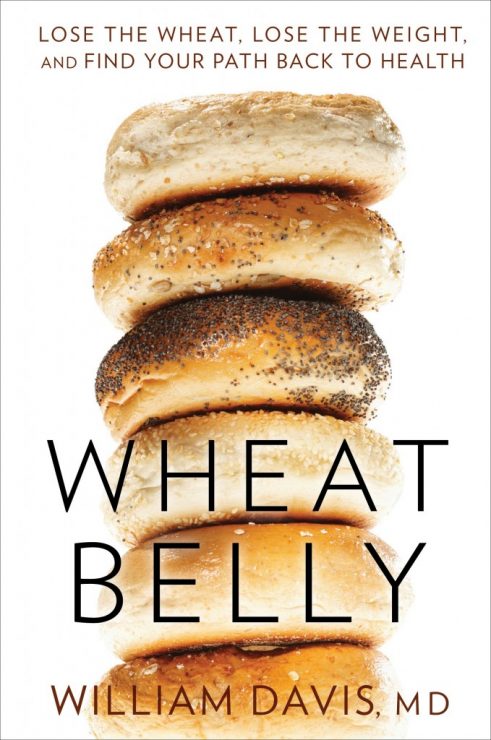
I was recently introduced to a new book by Dr. William Davis called, “Wheat Belly: Lose the Wheat, Lose the Weight, and Find Your Path Back to Health“. I’ve since been reading his blog, listening to his podcast on Jimmy Moore’s show and reading what Tom Naughton (Fat Head) has to say about this book.
It has been fascinating.
I was thrilled when Dr. Davis agreed to answer some questions I sent him for a guest post here. (He’s even said he’ll answer your questions, too, in the comments after the post goes up!) So while I await his reply for part 2 (update: here’s part 2!), today in part 1 I’ll jump around a little and tell you a little about what I’ve learned so far from Jimmy & Tom about this new book by Dr. Davis…
- If at all possible, and if you have any health issues, you have to listen to Dr. Davis on Jimmy Moore’s podcast last week (Dr. Davis begins at about 41:20). Even if you think you already know that low-carb can improve a lot of health issues, you’ll be shocked at how wheat specifically is so uniquely harmful and very addictive.
- Dr. Davis also tells what is the real cause of heart disease:
“The most common, prevalent outstanding cause for heart disease in the U.S. today is not high cholesterol, it’s too many small LDL particles. There’s only two ways to get small LDL particles, it’s either genetically determined, or it’s carbohydrates. It’s not fat, it’s not saturated fats, it’s not butter, it’s not too much cheese, it’s simply anything that converts to sugar will lead to the cascade of events that leads to the formation of small LDL particles. It became clear that there was something triggering it to extravagant degrees, and that was wheat.“
- One more excerpt from the podcast:
Jimmy Moore: “You are doing a great service because it seems like a lot of the attention lately in the field of nutrition has been on the subject of sugar. I know Robert Lustig has been out there, Gary Taubes is writing a book about sugar and its affects on obesity and chronic disease, but why do you think the wheat issue is being so ignored?“
Dr. Davis: “Most of us, including me a few years ago, were lulled into this conversation with a very simple flaw in logic: ‘If you take something bad and you replace it with something less bad, a whole bunch of the less bad thing must be good for you. So if we take white enriched flour, Wonder Bread, white hot dog buns, and replace them with whole grains and you get a health benefit’, and that’s true of course, if you replace white flour with whole grains you do get less colon cancer, reduced blood pressure, less diabetes, less heart disease. But the flawed logic is, ‘let’s now eat a whole bunch of healthy whole grains’. What was never asked, was ‘if you take something bad, white enriched flour, and replace it with something less bad, whole grains, what’s the effect of no grains?‘ That’s the step that was not taken. It’s the step I’ve taken. It’s when you remove the grains, not replace the grains with another grain, that’s where you see substantial weight loss, reversal of diabetes, and reversal of numerous other conditions.“
- A week later Jimmy posted an update on the Wheat Belly book and how it’s growing in popularity. Not only did it make it to #5 on the New York Times Bestseller list for “Advice, How-To And Miscellaneous”, but it’s also throwing theGrain Foods Association and the National Association of Wheat Growers into a tizzy. (Here’s the reply from Dr. Davis in an open letter to the Grain Foods Association. It is a VERY enlightening read, and with permission I’ve posted it in its entirety at the end of this post.) Also in this post Jimmy lists other bloggers’ reviews of Wheat Belly and he asks Dr. Davis one more question that he forgot to ask in the podcast about Dr. Dean Ornish.
- Tom Naughton at the Fat Head blog did his own Q & A with Dr. Davis, and I’m including an excerpt below from that, but again, the whole post is SO interesting and worth the time to read! (I know I keep saying that, but this topic has my mind swirling, and I can’t wait to hear the answers to the questions I sent to Dr. Davis!)
“Fat Head: “Your patients are lucky – you’d rather change a patient’s diet than write a prescription whenever possible. Unfortunately, you’re in the minority. As I recounted on my blog recently, a co-worker’s wife was finally cured of her pounding headaches when an acquaintance suggested she stop eating grains. She’d been to several doctors who merely prescribed medications. So … why are so few doctors aware of how grains can affect our health?”
Dr. Davis: “I believe healthcare has detoured towards high-tech, high revenue-producing procedures, medications, and catastrophic care. Too many in healthcare have lost the vision of helping people and fulfilling their mission to heal. While that sounds old-fashioned, I believe it is a bad trend for healthcare to be reduced to a financial transaction bound by legal constraints. It needs to be restored to a relationship of healing.
I believe that many in healthcare have also been disenchanted with the ineffectiveness of dietary advice. Because dietary “wisdom” has been wrong on so many counts over the past 50 years, people have become soured on the ability of nutrition and natural methods to improve health. From what I’ve witnessed, however, nutrition and natural methods have enormous power to heal—if the right methods are applied.”
Read the whole Fat Head blog Q & A.
See part 2 of Lose your man boobs, your bagel butt, and your wheat belly!
Now here’s the open letter to the Grain Foods Association from Dr. Davis:
To:
Ms. Ashley Reynolds
490 Bear Cub Drive
Ridgway, CO 81432
Phone: 617.226.9927
ashley.reynolds@mullen.com
Ms. Reynolds:
I am writing in response to the press release from the Grain Foods Foundation that describes your effort to “discredit” the assertions made in my book, Wheat Belly: Lose the wheat, lose the weight and find your path back to health. I’d like to address several of the criticisms of the book made in the release:
” . . . the author relies on anecdotal observations rather than scientific studies.”
While I do indeed have a large anecdotal experience removing wheat in thousands of people, witnessing incredible and unprecedented weight loss and health benefits, I also draw from the experiences already documented in clinical studies. Several hundred of these studies are cited in the book (of the thousands available) and listed in the Reference section over 16 pages. These are studies that document the neurologic impairment unique to wheat, including cerebellar ataxia and dementia; heart disease via provocation of the small LDL pattern; visceral fat accumulation and all its attendant health consequences; the process of glycation via amylopectin A of wheat that leads to cataracts, diabetes, and arthritis; among others. There are, in fact, a wealth of studies documenting the adverse, often crippling, effects of wheat consumption in humans and I draw from these published studies.
“Wheat elimination ‘means missing out on a wealth of essential nutrients.’”
This is true–if the calories of wheat are replaced with candy, soft drinks, and fast food. But if lost wheat calories are replaced by healthy foods like vegetables, nuts, healthy oils, meats, eggs, cheese, avocados, and olives, then there is no nutrient deficiency that develops with elimination of wheat. There is no deficiency of any vitamin, including thiamine, folate, B12, iron, and B6; no mineral, including selenium, magnesium, and zinc; no polyphenol, flavonoid, or antioxidant; no lack of fiber. With regards to fiber, please note that the original studies documenting the health benefits of high fiber intake were fibers from vegetables, fruits, and nuts,not wheat or grains.
People with celiac disease do indeed experience deficiencies of multiple vitamins and minerals after they eliminate all wheat and gluten from the diet. But this is notdue to a diet lacking valuable nutrients, but from the incomplete healing of the gastrointestinal tract (such as the lining of the duodenum and proximal jejunum). In these people, the destructive effects of wheat are so overpowering that, unfortunately, some people never heal completely. These people do indeed require vitamin and mineral supplementation, as well as probiotics and pancreatic enzyme supplementation.
I pose several questions to you and your organization:
Why is the high-glycemic index of wheat products ignored?
Due to the unique properties of amylopectin A, two slices of whole wheat bread increase blood sugar higher than many candy bars. High blood glucose leads to the process of glycation that, in turn, causes arthritis (cartilage glycation), cataracts (lens protein glycation), diabetes (glycotoxicity of pancreatic beta cells), hepatic de novo lipogenesis that increases triglycerides and, thereby, increases expression of atherogenic (heart disease-causing) small LDL particles, leading to heart attacks. Repetitive high blood sugars that develop from a grain-rich diet are, in my view, very destructive and lead to weight gain (specifically visceral fat), insulin resistance, leptin resistance (leading to obesity), and many of the health struggles Americans now experience.
How do you account for the psychologic and neurologic effects of the wheat protein, gliadin?
Wheat gliadin has been associated with cerebellar ataxia, peripheral neuropathy, gluten encephalopathy (dementia), behavioral outbursts in children with ADHD and autism, and paranoid delusions and auditory hallucinations in people with schizophrenia, severe and incapacitating effects for people suffering from these conditions.
How do you explain the quadrupling of celiac disease over the last 50 years and its doubling over the last 20 years?
I submit to you that, while this is indeed my speculation, it is the changes in genetic code and, thereby, antigenic profile, of the high-yield semi-dwarf wheat cultivars now on the market that account for the marked increase in celiac potential nationwide. As you know, “hybridization” techniques, including chemical mutagenesis to induce selective mutations, leads to development of unique strains that are not subject to animal or human safety testing–they are just brought to market and sold.
Why does the wheat industry continue to call chemical mutagenesis, gamma irradiation, and x-ray irradiation “traditional breeding techniques” that you distinguish from genetic engineering? Chemical mutagenesis using the toxic mutagen, sodium azide, of course, is the method used to generate BASF’s Clearfield herbicide-resistant wheat strain. These methods are being used on a wide scale to generate unique genetic strains that are, without question from the FDA or USDA,assumed to be safe for human consumption.
In short, my view on the situation is that the U.S. government, with its repeated advice to “eat more healthy whole grains,” transmitted via vehicles like the USDA Food Pyramid and Food Plate, coupled with the extensive genetic transformations of the wheat plant introduced by agricultural geneticists, underlie an incredible deterioration in American health. I propose that you and your organization, as well as the wheat industry and its supporters, are at risk for legal liability on a scale not seen since the tobacco industry was brought to task to pay for the countless millions who died at their product’s hands.

Wiliam Davis, MD
Author, Wheat Belly: Lose the wheat, lose the weight and find your path back to health (Rodale, 2011)
Lose Your Man Boobs, Your Bagel Butt and Your Wheat Belly (Part 2) Q & A with author Dr. William Davis
SEPTEMBER 20, 2011 · 61 COMMENTS
715 70 share1
Do you want beautiful babies? Learn how to naturally increase your fertility, grow healthy babies, and have a smooth pregnancy. Also learn the best nutrition for breastfeeding and baby's first foods. All in 12 online classes that you can take at your own convenience. HURRY! Click here to save $50 by registering on or before October 31st.
The comments at part 1 of Lose your man boobs, your bagel butt and your wheat belly got very interesting, especially when Dr. Davis jumped in to clarify some of the questions that were being asked there. He’s agreed to do the same after today’s Q & A post, to clear up anything more you’re wondering about. Pretty cool, huh?! (He won’t be able to do that indefinitely, though, so just be aware in case you visit this post later.)
Before we begin the questions and answers with Dr. Davis, in case you just want to buy the book, you can do that here: “Wheat Belly: Lose the Wheat, Lose the Weight, and Find Your Path Back to Health“.
‘WHEAT BELLY’ Q & A between Kelly the Kitchen Kop & Dr. William Davis:
1. KK: We’ve all heard the ‘politically correct’ mantra on eating low-fat and ‘fiber-rich whole grains.’ Can you tell us what happens to our bodies when we eat like that?

In other words, the conventional advice to cut fat and “eat more healthy whole grains,” I believe, is not the solution to the obesity, diabetes, and health crisis for Americans—it is the cause.
2. KK: Can you address this: “But wheat and bread are in the Bible!”
Yes, indeed: Wheat and bread are mentioned repeatedly in the Bible. Wheat and bread are part of religious practice, such as taking the sacrament. Bread is often used in the Bible as metaphor for salvation. But that’s not what you are eating. Let me explain.

The wheat you are sold today is a 42-chromosome plant. Its distant ancestor was a natural hybrid of emmer wheat and a wild grass. But even bigger changes occurred 50 years ago, when substantial investment by the U.S. government and other governments, universities, and foundations were made to generate high-yield variants of 42-chromosome wheat. And, from a genetic viewpoint, they succeeded . . . beyond their wildest dreams.
The high-yield, semi-dwarf wheat plant was the result, a 2-foot tall wheat plant, a couple feet shorter than the “amber waves of grain” we all remember as kids. Virtually all the wheat grown in the world today is the high-yield semi-dwarf variant, since yield-per-acre is around 10-fold greater than the wheat of 50 years ago. And it did indeed make a large contribution to helping solve world hunger.
But there was a big miscalculation made: The effect on humans changed. For one, the composition of the gluten protein changed, making it more likely to trigger inflammatory diseases like celiac disease and nervous system degeneration. The gliadin protein was changed, making it a more potent stimulant of appetite. And, I believe, it changed in other ways that have not yet been fully sorted out. I make this last statement because, having witnessed thousands of people remove wheat from the diet, the whole seems to be greater than the sum of the parts: the benefits of removing wheat are greater than what you’d predict by adding up each problem ingredient.
When people eliminate modern wheat from their diets, I witness incredible weight loss—typically a pound a day for the first ten days, then tapering to 20 pounds over the first month. I witness turnarounds in asthma, acid reflux, irritable bowel syndrome, leg swelling, diabetes, pre-diabetes, arthritis, rheumatoid arthritis, and inflammatory bowel disease. I see improved mental clarity, mood, and deeper sleep. In short, I see lives transformed, often in dramatic ways, by doing nothing more than removing this modern, genetically-altered grain from the diet.
3. KK: You said in Jimmy’s podcast that if someone found an old bag of flour from their Grandma’s cabinet, while it wouldn’t be ideal to consume, it would still be much better since it’s not the same Frankenfood wheat that today’s crop 
Provided you are not among those with extreme wheat/gluten intolerance (e.g., celiac disease), then these grains are indeed better, since they do not trigger appetite as much as modern wheat. They also lack the most dangerous “D” collection of genes that has been woven into the genetic code of modern wheat and has been the focus of most of the genetic manipulations made by geneticists.
Downside: They still trigger appetite, just not as sharply. They also raise blood sugar and trigger the formation of small LDL particles, the number one cause for heart disease in the U.S. They also (by way of the process of “glycation,” or glucose-modification of proteins) contribute to cataracts, arthritis, and hypertension. So better does not necessarily mean good.
Theoretically, this makes sense: Use these less harmful grains to taper yourself off modern wheat. However, a word of warning: I’ve watched people try to do this, but it somehow just prolongs the agony, kind of like tempting an alcoholic with a weak drink. Sure, it might be better, but there’s something overwhelming about the “pull” these grains exert on us, often leading us straight back in a path to wheat.
4. KK: I know that you recommend a wheat-free, low-carb/paleo-ish (+dairy) diet for everyone, so I’d love your opinion on which carbs are best. Would that list just include milk, fruits & vegetables? What about rice? (Obviously that list would be different for a diabetic who needs to be more careful about fruits, and starchy vegetables/rice.)
Let me first set the stage for where we all find ourselves, circa 2011: The majority of us are overweight; 70-80% are diabetic or pre-diabetic, the remainder close on the heels of pre-diabetic patterns. In other words, we’ve got a mess on our hands.
This is not just about weight loss and fitting into a size 2 bikini or trousers with a 32-inch waist. This is about undoing the metabolic mess that most of us harbor in our bodies, thanks to 1) the misguided advice to “eat more healthy whole grains,” with grains essentially meaning modern, semi-dwarf wheat, and 2) the proliferation of carbohydrates in the diet. The 50% of people expected to become diabetic in the coming few years will have, on average, 8 years less time to live on earth and/or a lifetime of multiple medications for diabetes and all the other diseases of carbohydrate excess. 20, 30, 40 years of excessive carbohydrate consumption leave us with damaged pancreatic beta cells, no longer able to keep up with the insulin demand we place on it. I liken this to making an 80-year old man hobbling along in a walker being asked to run a marathon: It ain’t gonna happen; he’ll collapse at the 100-feet mark and lose the race. But that’s the sort of unrealistic expectation we place on our pancreases.
So it’s not that carbohydrates are intrinsically bad. It’s that we’ve created a situation where most of us are no longer capable of processing carbohydrates due to the pancreatic damage we’ve done with years and years of carbohydrate overconsumption. Unless you don’t mind adding to the revenues of the drug industry, we’ve got to deal with this metabolically impaired situation we’re in.
We do this by limiting carbohydrate intake. Any carbohydrate, regardless of glycemic index, increases blood sugar into unhealthy ranges. This includes fruit, millet, and sorghum, i.e., carbohydrates that most people regard as healthy. Rice, likewise, lacks many of the undesirable features of wheat, but is still a carbohydrate.
So limiting carbohydrates becomes necessary in a modern world populated with diabetic and pre-diabetic people. How much to limit carbohydrates is best decided on an individual basis. For diabetics, for instance, who wish to either minimize blood sugar “highs” and/or become non-diabetic, I advise 30 grams or less per day of carbohydrate. (One medium-sized banana contains around 30 grams; that blows it for the entire day.) For pre-diabetic people, I restrict carbohydrates to 40 grams per day. For people without either, but have small LDL particles, high triglycerides, hemoglobin A1c of less than 5.6%, and desire to lose weight, I limit carbohydrates to 50 grams per day. Many people say this is restrictive for the last group, but I see so many people like this who develop heart disease (from provocation of small LDL particles) and develop other health problems due to patterns they are triggering but are not even aware of.
5. 
Yes, I agree with your stand on these issues. First of all, Wheat Belly was not intended to be a diet book. It was intended to be an exposé of this incredibly destructive Frankengrain called wheat. But I recognized that a solution has to be offered after pointing out the problem.
In diet, I’ve chosen to pick our battles and focus on the biggest problem sources. I don’t believe that our diets have to be absolutely meticulous, 7 days a week. I just think we need to eat real, whole foods while avoiding the most destructive food sources. Obviously, wheat is at the top of my list, the worst of the worst. Next are carbohydrates like cornstarch, cornmeal, sugars, and oats, followed by other carbohydrate sources like millet, quinoa, beans, rice, and fruit. I agree that meats, whenever possible, should be humanely-raised, grass-fed, free-range, and not from factory farm-raised, warehoused chickens, cattle, and pigs. Soy, unfortunately, is changing due to 73% of it coming from genetically-modified sources and so represents an uncertainty in diet. I’m aware of the criticisms of soy, particularly non-fermented varieties, and I believe we should avoid the soy-as-processed-food-additive sort. One of the strategies I use in patients is to have everyone supplement with iodine, since iodine deficiency and even goiters are making a return, just like the early 20th century, since people are avoiding iodized salt; provided you are iodine-replete, the so-called goitrogenic, or thyroid-blocking action of soy, is eliminated. So I now tell people to use soy in only small quantities, preferably fermented forms, but do not allow it to dominate and, obviously, avoid it if soy allergy or sensitivities are present.
6. KK: You’ve said that wheat is very uniquely addictive, can you tell us more about that?
The gliadin protein of wheat is degraded to a class of polypeptides called exorphins that bind to morphine receptors in the brain. Wheat exorphins are responsible for appetite stimulation, as well as the behavioral outbursts in children with ADHD and autism, the paranoid delusions and auditory hallucinations in people with schizophrenia, and even trigger the manic phase of bipolar illness. Exorphins are also responsible for the withdrawal phenomenon that 30% of people experience when they stop consuming wheat, the mental “fog,” fatigue, physical exhaustion, and even depression that usually lasts several days. You have, in effect, an addictive relationship due to the appetite stimulation effect and the awful withdrawal that results with cessation.
The effects of wheat exorphins—addiction, appetite stimulation—can be blocked with morphine- or opiate-blocking drugs. In fact, a drug company is trying to exploit this situation and has made application to the FDA for naltrexone, an oral opiate blocker, for a weight loss indication. Naltrexone is already on the market for heroine addiction at high-dose. At low-dose, naltrexone does indeed result in 22 pounds of weight loss when taken for six months—but why? Why would an opiate-blocking drug result in weight loss when there is only one food that is degraded to opiates in the bloodstream: wheat?
7. KK: Even though you said that MANY health issues are improved or cured when taking wheat out of the diet, what might the reason be as to why this might NOT work for some? (Obviously removing sugar from the diet would be important, too, but what else could they try?)
Obviously, not all human illnesses are caused by exposure to wheat. And many conditions that are triggered by wheat can also be triggered by other factors. Rheumatoid arthritis, for instance, is not caused by wheat, but is substantially worsened by wheat; removing wheat usually allows someone with this condition less pain, better mobility, and reduced reliance on the nasty drugs used to treat it, but rarely does it lead to cure. By the way, the probable reason to account for any benefit is the removal of wheat lectins that increase intestinal permeability to foreign proteins that, in turn, promote inflammatory responses.
Likewise, inflammatory bowel diseases like ulcerative colitis and Crohn’s. I’ve seen nearly everybody improve—less diarrhea and cramps, less bleeding, reduced need for medication, also borne out in clinical trials—but I’ve also seen cure—complete relief with no medication required. Why the difference? It’s probably genetically-determined, relying on such factors as HLA DQ type, the genetic pattern that, to a large degree, determines the severity of inflammatory response to wheat gluten, glutenins, and gliadin. However, there are clearly factors outside of the known genetic markers, since I and others have seen severe, even life-threatening, wheat responses in people with all negative genetic and antibody markers.
There is plenty not known about this modern form of wheat created by geneticists, largely because they assumed all along that, no matter how extreme or bizarre the techniques used to generate new forms of the plant, it was always safe for human consumption. So we have no record of animal or human safety testing to document how, when, and why many of the varied adverse effects came about. It was just thrust into the market, sold to the public—no questions asked.
(Note from Kelly: I forgot to ask Dr. Davis if he’s heard of the GAPS Diet. If you’re struggling with a health issue, you really must learn more about GAPS. Removing grains from the diet is part of the healing protocol, but it goes even further than that.)
8. KK: Can you tell us the story you shared with Jimmy about your feelings on food substitutions that help us eliminate wheat from our diets, such as almond or coconut flour? (Apparently some say these are like ‘smoking candy cigarettes’.)
First of all, let me point out that gluten-free foods are not the answer. Most gluten-free foods, as currently produced by most food manufacturers, are absolute health disasters. Yes, they lack the gluten, gliadin, amylopectin A, lectins, and other unhealthy components of wheat, but gluten-free foods are nearly always made using rice starch, cornstarch, potato starch, or tapioca starch. These powdered forms of starch increase blood sugars to very high levels, higher than even wheat, trigger small LDL particles, and cause accumulation of visceral fat and thereby make us diabetic.
So we’ve got to be smarter than this. There are healthier ingredients to use in making your own wheat- and gluten-free but limited carbohydrate recipes. I like ground almonds, pecans, walnuts, hazelnut, and sunflower seed; coconut flour; and ground flaxseed to create my own breads, scones, and cookies. Anyone who thinks they taste bad or think they are “smoking candy cigarettes” hasn’t tried my recipes. You will find my carrot cake recipe, for instance, every bit as delicious as the “real” thing, but with none of the undesirable unhealthy aftermath. I had mocha chocolate cupcakes (my own recipe) for breakfast today; they were filling and delicious.

I really have chosen to pick my battles. I recognize that we live in a world in which perfect choices are not always easy or possible. Children, for instance, may eat from a school cafeteria, eat at friends’ houses and sleepovers, while Mom or Dad may have a job that means having lots of meals in airports or restaurants where a full menu is not available. Having advised a wheat-free, low-carbohydrate diet in thousands of people, while not imposing the strict Paleo-like limitations of no dairy, no nuts, no beans, has worked extremely well at a practical level.
With regards to dairy, I have limited concerns about the insulinotrophic action of the polypeptides in the whey fraction. As you know, I worry about the number of diabetics, pre-diabetics, and pre-pre-diabetics nationwide who have stressed their pancreases to unreasonable degrees. Dairy products have the peculiar effect of tripling insulin output from the pancreas, an effect many nutritionists regard as positive because it reduces the blood sugar effects of carbohydrates, but I view as negative because we do not need to further challenge our exhausted pancreases. So I advocate a limited exposure to dairy because of this effect, but I don’t think it’s so bad that we should absolutely eliminate it. Cheese, in particular, has many healthy components, such as vitamin K2, that really are important for health (reversal of osteoporosis and possibly heart disease and, no, it’s not the calcium that’s good for bones).
If I had complete trust in my dairy producer and was confident of clean conditions, then raw milk can be a great option, though with many of the same insulinotrophic limitations, since it, too, has the whey fraction of proteins in it. Personally, it makes me kind of nervous; I liken it to playing a slot machine at the casino where the odds of winning are 999 to 1, but if you lose they shoot you: great odds, but the price of losing is pretty awful.
(Another note from Kelly: here’s my post on finding clean, raw milk.)
10. KK: My Mom and 2 sisters have type II diabetes. I’m especially interested in the cases you’ve seen where people can go off diabetes drugs and the disease is reversed. Besides giving up wheat, what else do you suggest they do as far as their diet and exercise is concerned?
I have personally been cured of diabetes, along with many patients and online followers of my program. Elimination of wheat is the crucial first step, both to avoid its blood sugar-increasing effect as well as its appetite-stimulating gliadin effect.
Next, strictly limiting carbohydrates becomes necessary. Because diabetes is, by definition, a condition of high blood sugars, near-total elimination of carbohydrates becomes necessary to minimize or totally stop blood sugar rises. This means less than 30 grams (“net” carbs, or total carbohydrates minus fiber) per day. Exercise, including strength training, vitamin D supplementation, and magnesium supplementation are very important, also, in reversing diabetes. Having ideal thyroid function is important, given the frequency of thyroid dysfunction in modern people due to iodine deficiency and exposure to thyroid-blocking organochemicals.
People taking drugs like glipizide, glyburide, and glimepiride will have to be especially careful to avoid hypoglycemic episodes; as someone becomes less diabetic or non-diabetic but still takes these medications, hypoglycemia can result. This is therefore best undertaken under the supervision of an interested and knowledgeable healthcare provider. The sad truth is that 99% of my colleagues have no interest nor experience in reversing diabetes, so you may have to seek out a naturopath or other provider more willing to work with you.
11. KK: In your podcast with Jimmy you said that you’ve seen the crippled jog, and colon removal surgeries get canceled. What are other conditions have you seen improved or healed when people give up wheat?
The list is varied and long. It includes inflammatory diseases like rheumatoid arthritis; multiple skin conditions including dermatitis herpetiformis, all varieties of rashes and blemishes, and acne; acid reflux and symptoms of irritable bowel syndrome are relieved in the majority; arthritis, particularly in the hands and wrists, often disappears completely, as does stiffness; leg edema and water retention improves or goes away entirely; better mood, less anxiety, and deeper sleep are very common; asthma and sinus infections and sinus congestion improve, sometimes disappear; allergies improve. Inflammatory bowel diseases like ulcerative colitis and Crohn’s are nearly always improved, often leading to reduced reliance on medication.
When the visceral fat of the “wheat belly” are lost, the unhealthy consequences of it are reversed: blood sugars drop, insulin sensitivity improves, inflammatory markers improve, estrogen levels drop, prolactin levels drop in men (reducing breast size), triglycerides drop (since visceral fat is a repository for circulating triglycerides), HDL (“good”) increases, small LDL particles (really “bad”) drop. Arthritis, in particular, improves out of proportion to the weight lost.
Among some interesting, though preliminary, observations: improved erectile function in males and reduced premenstrual syndrome symptoms in females. A recent lesson that I’ve learned is, to my great surprise, improved kidney function in people with mild impairment due to longstanding diabetes and hypertension.
But the most consistent observation of all with wheat elimination after weight loss is ‘I just feel better.” I think that alone counts for a lot.
Now ask YOUR follow up questions in the comments below. 
THANK YOU DR. DAVIS!
Friday, October 7, 2011
Escape Artist Gets a Trim

The long lost pony made a grand entrance return through the corn maze at Fresh McKenzie. Yes, my aunt’s pony thought to be gone like really gone forever gone, came back. Naughtier than ever.

He got taken to the wood shed by the horses when he got back. His deeds didn’t go unpunished.

Minnie, Lulu and Pearl
Subscribe to:
Posts (Atom)